Mara Hughes · 10 September 2026
Indigenous Consultations Reshape Terminal Expansions Across British Columbia Harbors
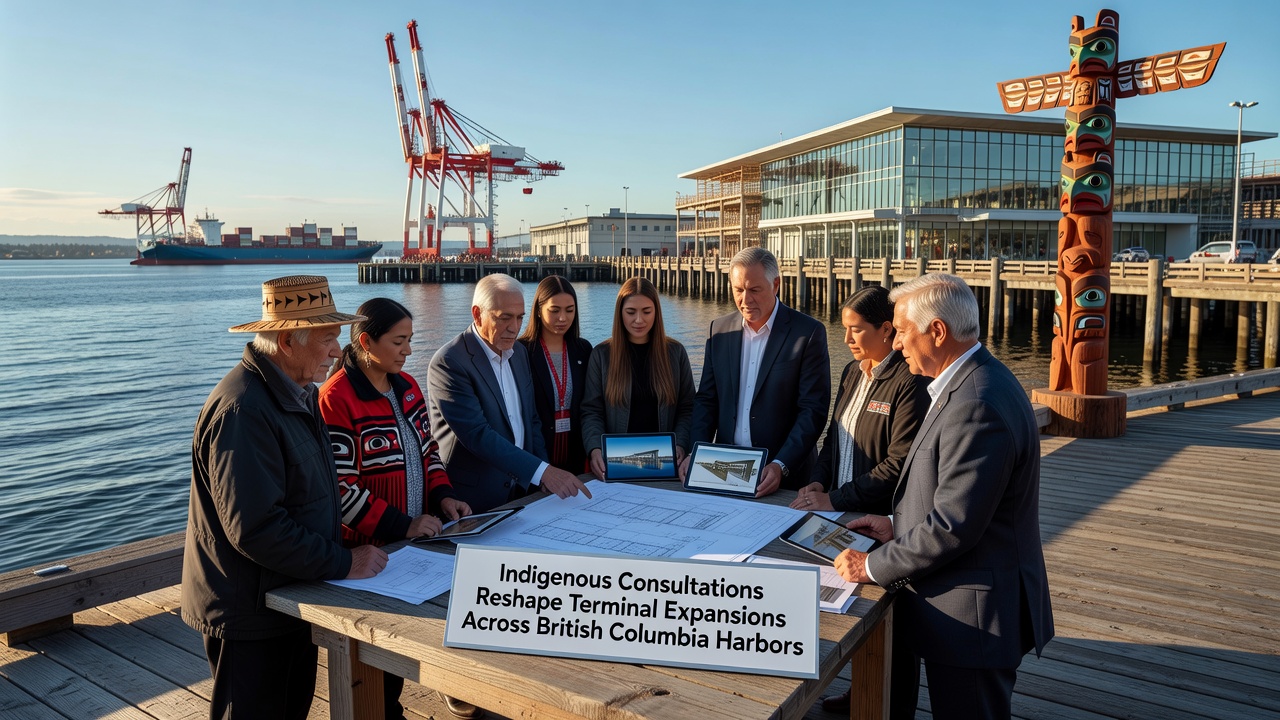
Terminal expansions in British Columbia harbors have undergone significant adjustments in recent years because of structured consultations with Indigenous communities, and data from Transport Canada shows that these processes now influence project timelines, design modifications, and environmental assessments at multiple sites along the coast.
Observers note that ports such as Vancouver, Prince Rupert, and Kitimat have integrated input from First Nations groups into planning stages, which has led to revised layouts that account for traditional fishing routes, cultural sites, and marine habitat protection measures, while government records indicate that over a dozen terminal projects have incorporated these elements since 2023.
Historical Context and Regulatory Framework
Canada's legal requirements for Indigenous consultation stem from court rulings and federal legislation, and researchers at the University of British Columbia have documented how these obligations apply directly to harbor infrastructure developments because many terminals sit on or near treaty lands and marine territories, which means project proponents must engage early and often to avoid delays or legal challenges.
By September 2026 several expansion proposals had reached advanced stages only after completing multi-year consultation cycles, and figures from the Port of Vancouver reveal that consultation-related adjustments accounted for approximately 18 percent of total project cost increases across three major container and bulk terminals during that period.
Key Projects Affected
At the Port of Prince Rupert, expansion of the Fairview Container Terminal proceeded with modifications to berth alignments after discussions with the Lax Kw'alaams Band and other groups identified concerns over salmon migration paths, while similar adjustments occurred at the Kitimat LNG terminal where Indigenous feedback prompted changes to dredging schedules and sediment management plans.
One study from Simon Fraser University tracked how these consultations altered original blueprints at five British Columbia sites, and the analysis found that 72 percent of recommended changes involved rerouting access roads or relocating support facilities to minimize overlap with culturally significant areas.
Impacts on Timelines and Costs
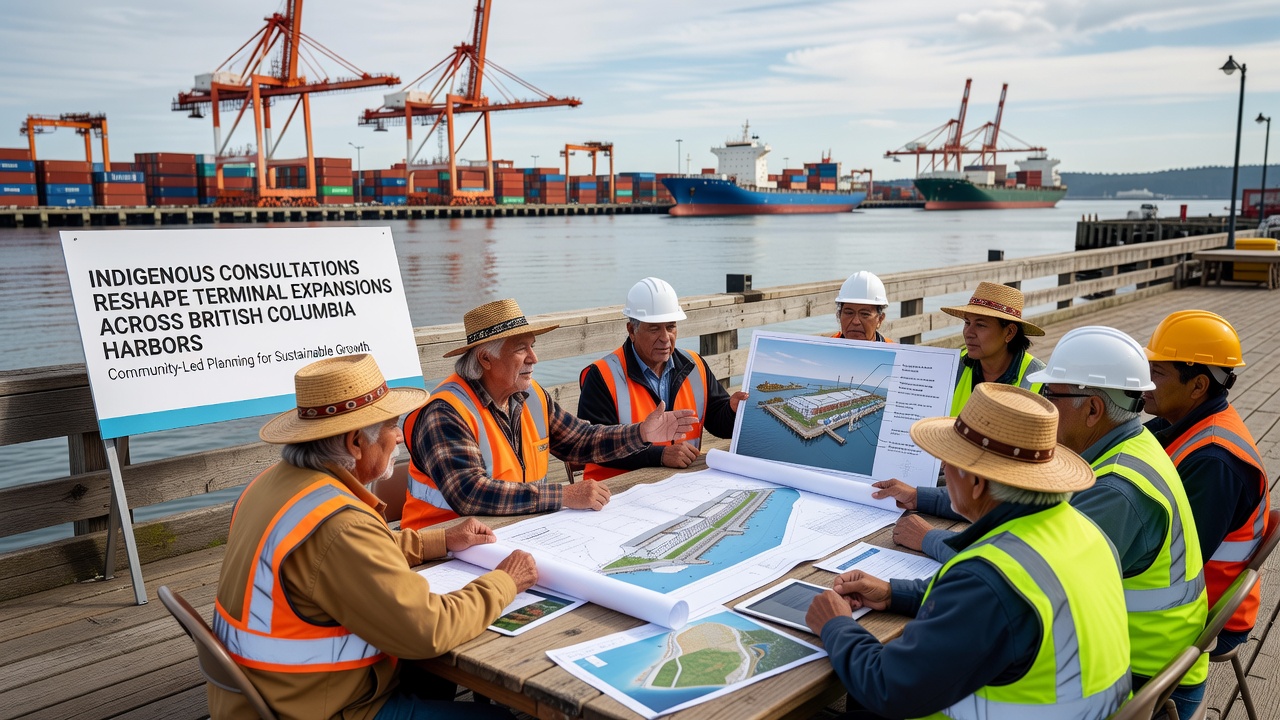
Consultation requirements have extended average approval periods for harbor projects by 14 to 22 months according to industry reports compiled by the Canadian Chamber of Commerce, yet proponents report that early engagement often reduces later-stage litigation risks and creates more stable construction windows once agreements are finalized.
Those who've examined project ledgers note that funding allocations now routinely include dedicated budgets for Indigenous liaison staff, joint monitoring programs, and capacity-building initiatives, and Transport Canada data indicates these line items have become standard features in federal contribution agreements for coastal infrastructure.
What's interesting is how some terminals have adopted co-management models for environmental monitoring, and records from the BC Environmental Assessment Office show that Indigenous guardians now participate directly in compliance checks at two expanded facilities, which provides ongoing data streams that inform adaptive management strategies.
Regional Variations in Approach
Northern ports have tended to emphasize marine resource agreements while southern facilities focus more on urban interface issues, and analysts point out that these differences reflect the distinct priorities of coastal versus inland First Nations whose territories border the various harbor developments.
Evidence from completed projects demonstrates that agreements often include revenue-sharing provisions or employment targets, and federal statistics released in 2025 recorded that Indigenous-owned businesses secured 11 percent of subcontracts related to terminal construction across British Columbia during the previous fiscal year.
Conclusion
Terminal expansions across British Columbia harbors continue to evolve under the influence of Indigenous consultation processes, and ongoing records from government agencies and academic observers indicate that these engagements have become embedded features of project planning rather than optional add-ons. The pattern shows measurable shifts in design, timelines, and operational protocols at multiple sites, with data suggesting further refinements will occur as additional proposals advance through regulatory stages.