Casey Hoffmann · 22 October 2026
Eastern Ports Organize Workshops on Adapting Waterfront Facilities to Changing Climate Conditions
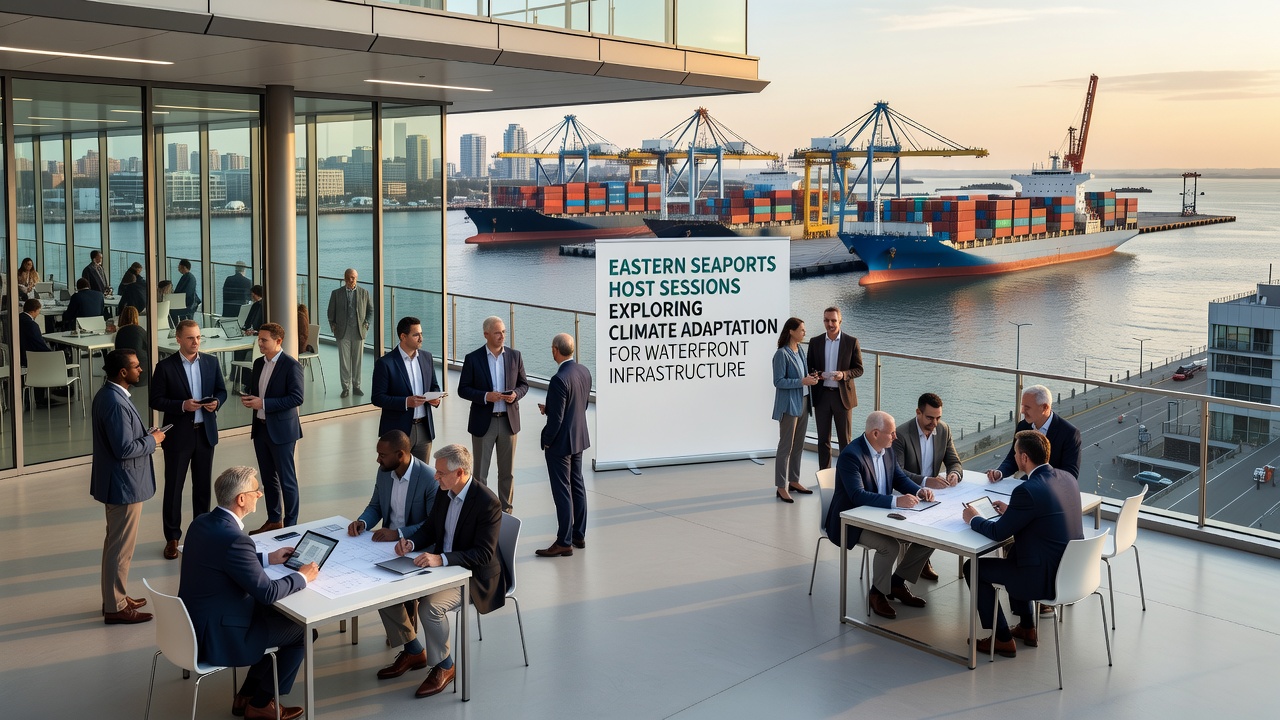
Ports along the eastern seaboard have scheduled multiple workshops and technical sessions throughout 2026 to examine strategies for strengthening waterfront infrastructure against rising sea levels and more intense storm patterns, and these events draw engineers, planners, and government representatives who review case studies from recent coastal events while comparing adaptation approaches that range from elevated platforms to reinforced bulkheads.
Data from federal agencies shows that sea levels along the Atlantic coast have risen by approximately 8 to 12 inches since 1950 in many locations, and this trend has prompted port authorities in cities such as Boston, New York, and Norfolk to accelerate planning efforts that focus on protecting terminals, access roads, and cargo handling areas from future flooding.
Session Formats and Participating Organizations
Organizers have structured the gatherings as multi-day forums that combine presentations on engineering models with site visits to existing facilities, and participants examine how different materials and designs perform under simulated high-water scenarios while discussing regulatory requirements that vary by state and municipality. The Port Authority of New York and New Jersey has contributed technical papers on its ongoing resiliency projects, and similar input has come from the Virginia Port Authority along with Canadian operators at the Port of Halifax who share observations on winter storm impacts.
Researchers from academic institutions have presented findings on wave action and sediment movement, and these studies help attendees calculate the expected lifespan of current structures under various climate projections that extend through 2050 and beyond.
Technical Topics Covered in Detail
Workshops dedicate significant time to evaluating elevation requirements for new construction, and speakers outline methods for retrofitting older piers with additional bracing that can withstand increased wave loads, while case examples illustrate how one facility in New Jersey raised critical electrical systems by four feet following assessments conducted after major hurricanes. Attendees also review funding mechanisms that combine federal grants with state-level infrastructure bonds, and discussions highlight timelines for completing environmental reviews that must precede any large-scale modifications.
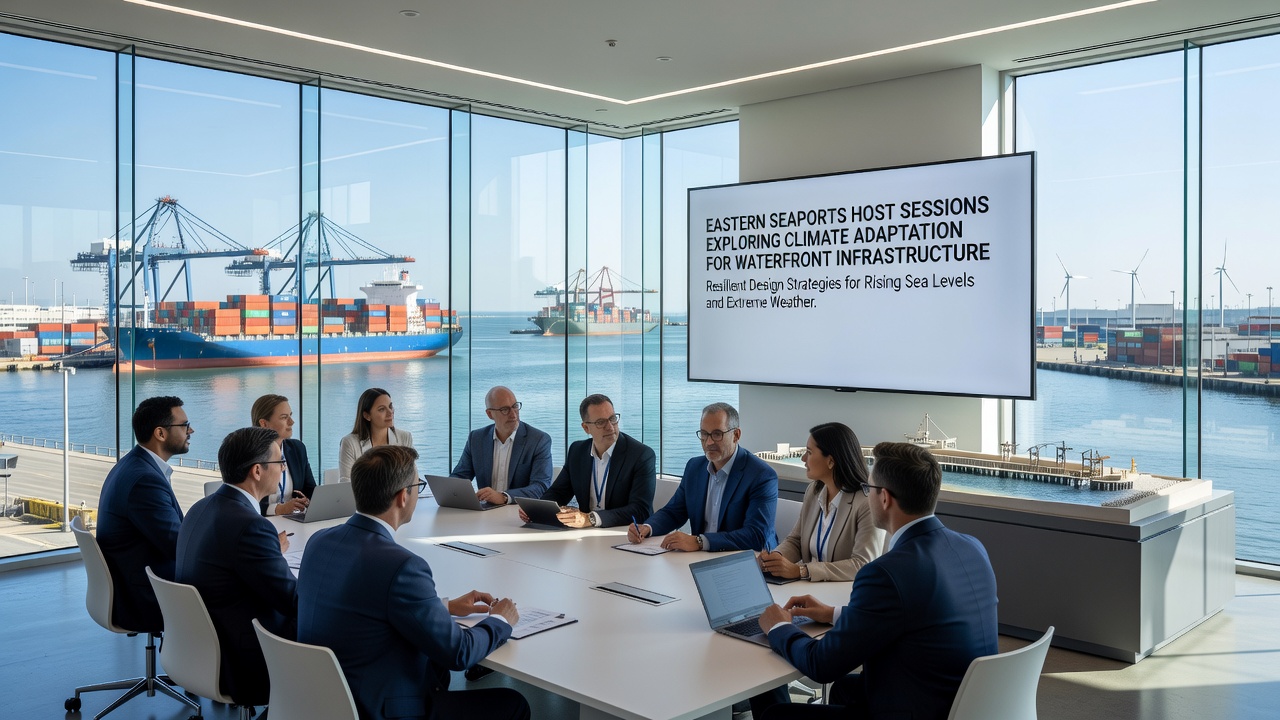
October 2026 has been identified as a key period for several of these sessions, and organizers expect attendance to exceed previous years because recent federal legislation has allocated additional resources for coastal resilience projects that directly affect port operations. Sessions scheduled during that month will include updates on pilot programs testing permeable surfaces around container yards, and experts will present monitoring data collected from sensors installed at multiple eastern facilities over the past three years.
Regional Variations in Adaptation Strategies
Northern ports have emphasized protection against both sea level rise and increased precipitation events that cause inland flooding, whereas southern locations along the mid-Atlantic focus more on surge barriers and shoreline stabilization because historical records show higher vulnerability to tropical systems. Engineers at these gatherings note that soil conditions and existing foundation depths influence which techniques prove most practical, and comparative analyses help smaller ports adapt solutions originally developed for larger terminals.
Industry reports indicate that ports investing early in modeling tools have reduced long-term maintenance costs by identifying weak points before they require emergency repairs, and this pattern has encouraged additional authorities to participate in the upcoming workshop series.
Conclusion
Eastern seaports continue to refine their approaches through these collaborative sessions, and the exchange of engineering data alongside regulatory updates supports more consistent planning across the region. Observers note that sustained participation from multiple agencies and research groups has produced measurable progress in identifying viable adaptation measures, and future gatherings will likely incorporate new findings from ongoing monitoring programs as climate conditions evolve.